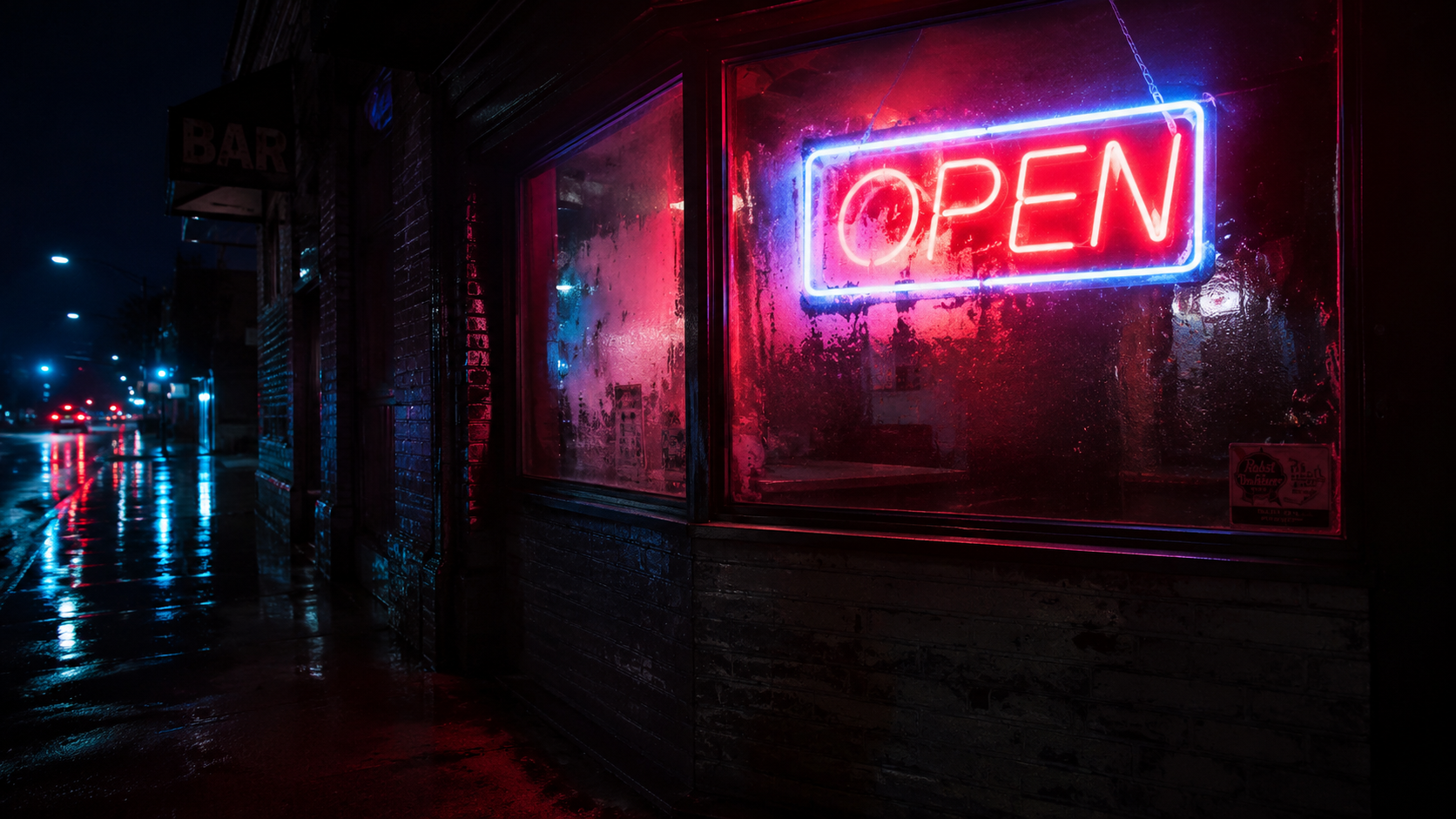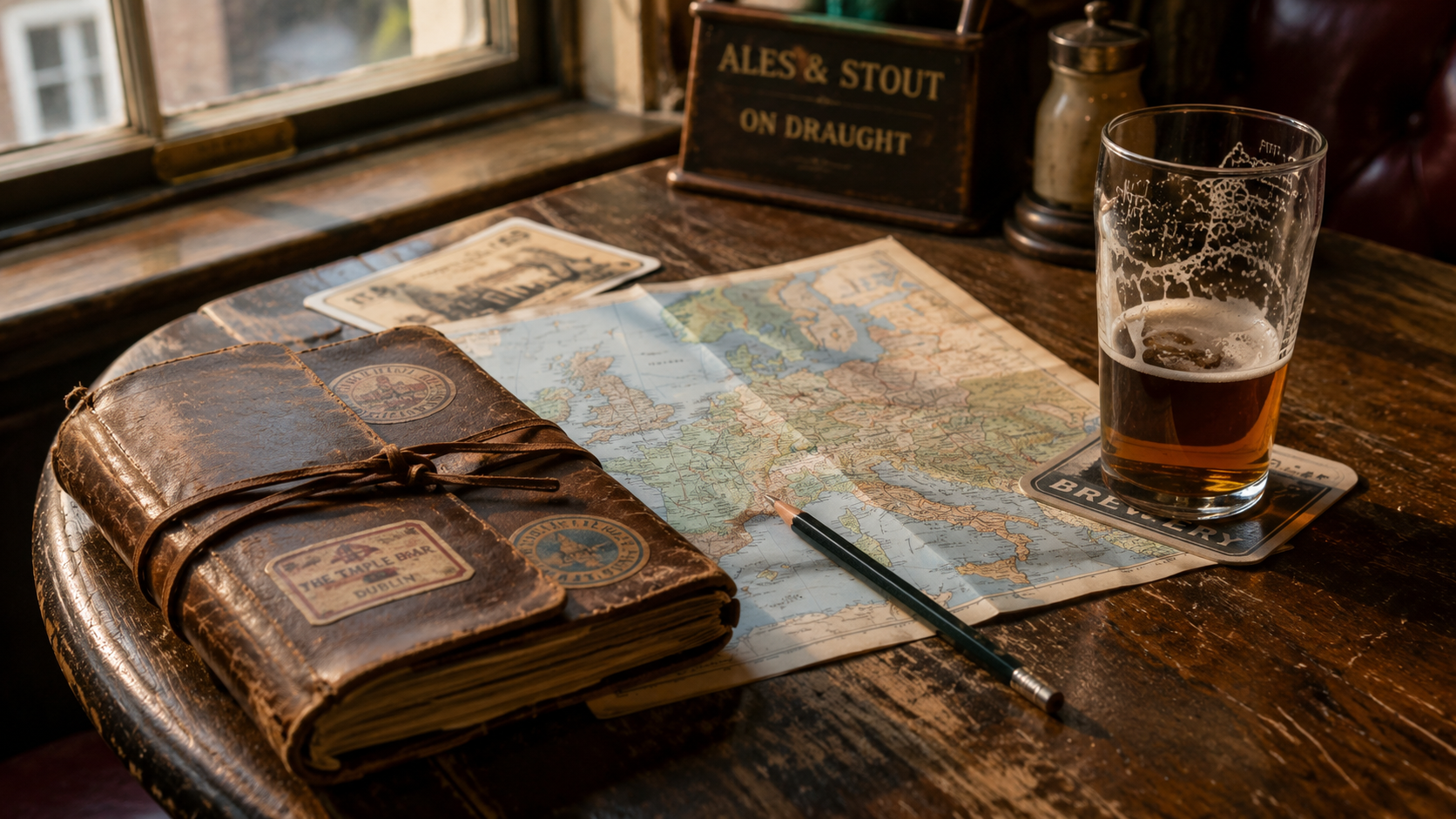
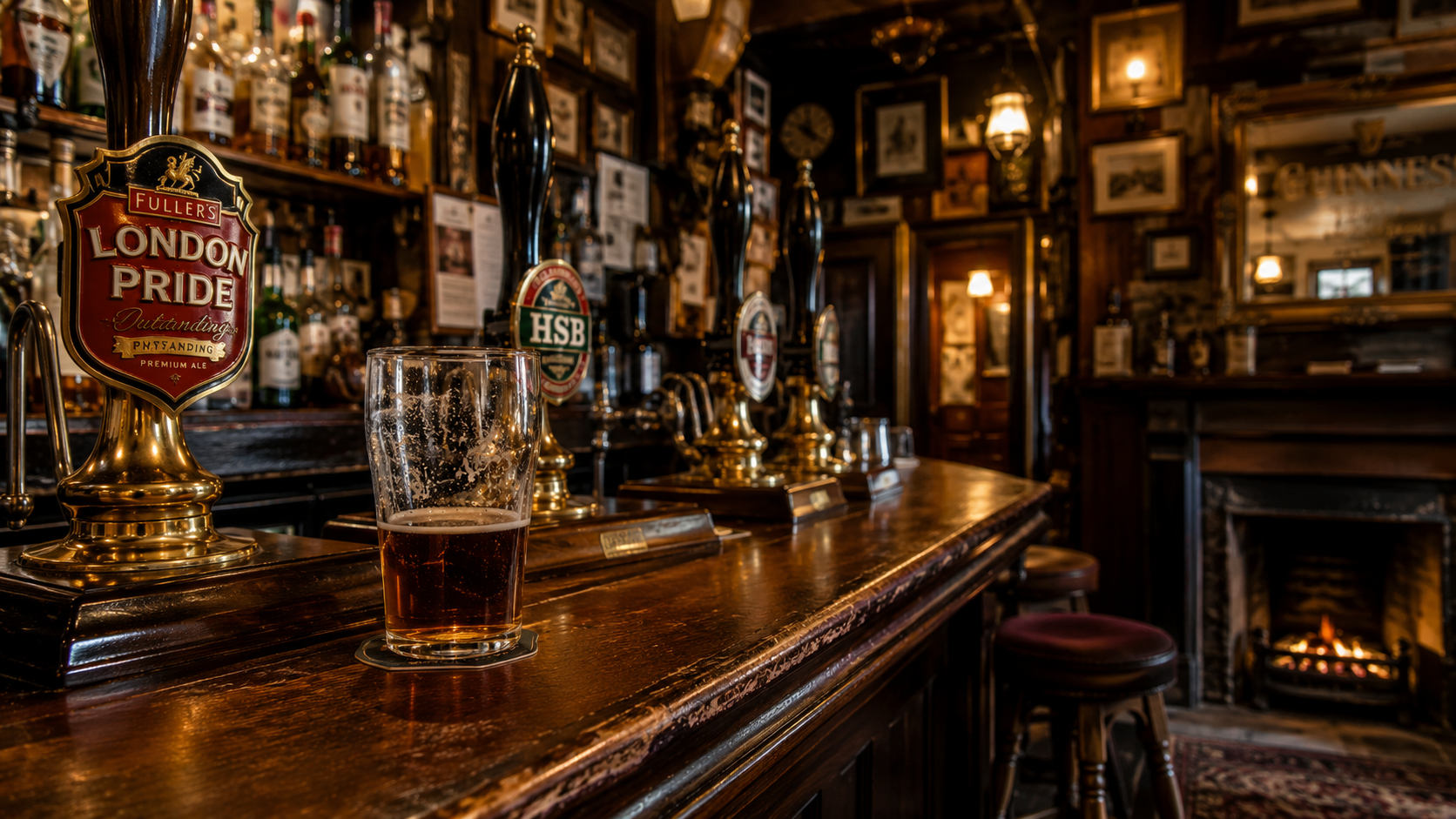
There was a time when every street corner had a pub, and every pub had regulars who treated it like a second living room. The neighbourhood local wasn't just somewhere to drink. It was the place where you heard the news before it hit the papers, where arguments were settled over pints, and where strangers became mates without anyone having to swipe right.
Walk through any British town that's been around long enough and you can still see the ghosts of them. Boarded-up buildings with faded brewery signs, converted into flats or co-working spaces. Each one a small death in the social fabric of its community.
What Made the Local So Special
The genius of the neighbourhood pub was its simplicity. No cocktail menu. No dress code. No booking required. You walked in, you ordered a pint, and you sat down. The landlord knew your name, your drink, and probably more about your personal life than your therapist did.
These places operated on an unwritten social contract. You respected the regulars, you didn't hog the best seat, and you bought your round when it was your turn. Break any of these rules and you'd know about it. Not through confrontation, but through the far more devastating weapon of British social disapproval.
The Slow Decline
The numbers tell a grim story. Thousands of pubs have closed across the UK in the last two decades. Some blame supermarket alcohol prices. Others point to smoking bans, rising rents, or changing habits. The truth is probably all of the above, wrapped in a broader cultural shift toward staying in.
But something else happened too. The pub industry chased trends. Gastropubs replaced honest locals. Craft beer bars replaced the corner boozer. There's nothing wrong with good food or interesting beer, but when every pub starts trying to be something it isn't, you lose the thing that made pubs special in the first place: the sense that anyone could walk in and belong.
Signs of a Revival
Here's the good news. The tide is turning. Community-owned pubs are on the rise. Micropubs — tiny, no-frills establishments run by people who actually love beer — are popping up in former shops and garages. They're bringing back the spirit of the old local, even if the setting is different.
Young people, despite what the headlines say, haven't abandoned the pub entirely. They've just been priced out or given nothing worth going to. Give them a decent pub with honest prices and genuine character, and they'll show up. I've seen it happen in cities and villages alike.
Why It Matters
The neighbourhood pub is one of the few remaining places where people from different backgrounds, ages, and walks of life can share the same space and actually talk to each other. We've lost most of our third places — the spots that aren't home and aren't work — and the pub was always the best of them.
Rebuilding pub culture isn't about nostalgia. It's about recognising that communities need gathering places, and that a well-run local does more for social cohesion than any government programme ever could. The golden age might be behind us, but the next one could be just around the corner. Someone just needs to open the doors.