You're in a new city. You're tired, possibly jet-lagged, and you want a drink in a place that doesn't feel like a tourist trap or a corporate chain. You don't know anyone, you don't speak the language fluently, and Google Maps is showing you fourteen options within walking distance. How do you pick the right one?
After years of landing in unfamiliar cities and needing to find a decent pub within the hour, I've developed a system. It's not foolproof — nothing involving pubs ever is — but it has a remarkably high success rate across dozens of countries.
The Walk-Past Test
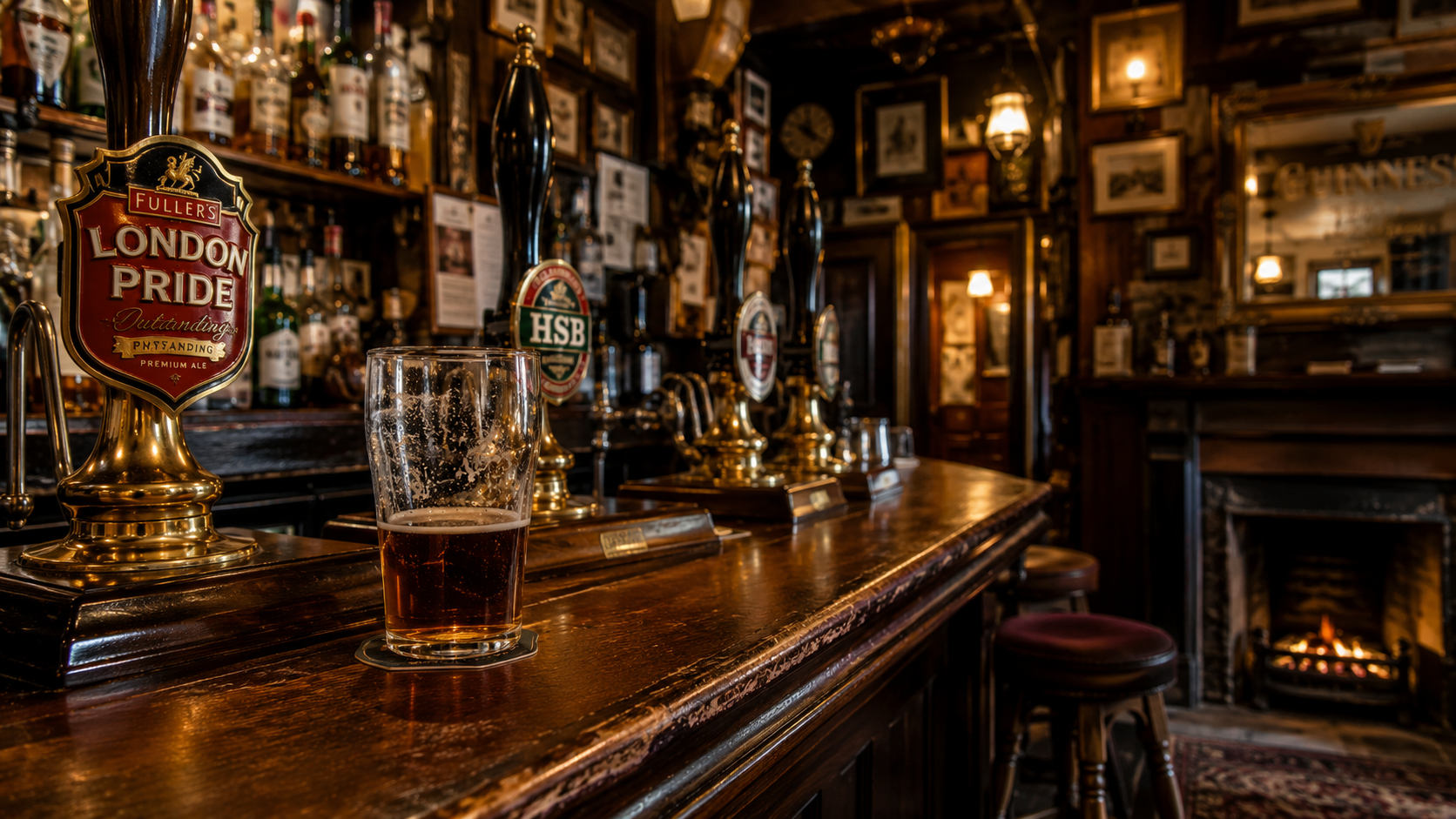
Before you walk into any pub, walk past it. Look through the window. You're checking three things. First, the crowd: is it a mix of ages and types, or is it entirely tourists or entirely one demographic? A good pub attracts a range. Second, the light: if it's too bright, it's probably not cosy. If you can't see anything at all, it might be a nightclub. Third, the bar itself: can you see it? Is someone working behind it who looks like they know what they're doing?
This thirty-second assessment eliminates about half the options in any given area. The places that pass the walk-past test are almost always worth trying.
Avoid the Ground Floor on Main Streets
In every tourist city on earth, the worst bars occupy prime ground-floor real estate on the main streets. They survive on foot traffic and have no incentive to be good because their customers are never coming back. The pubs worth finding are on side streets, upstairs, around corners, or down alleys. They've survived by being good enough that people make the effort to find them.
This rule has served me well from Dublin to Bangkok. The moment you turn off the main drag, the prices drop, the quality rises, and the atmosphere improves. It works almost everywhere.
The Bartender Tells You Everything
Within thirty seconds of sitting down, you can tell whether a pub is well run by watching the person behind the bar. Do they make eye contact? Do they seem to care about the drink they're pouring? Do they know the regulars? A bartender who cares about their craft — whether that craft is pulling pints or making cocktails — is the single best indicator that you've found a good pub.
Conversely, if the bartender is on their phone, seems actively annoyed by your presence, or pours your pint with the indifference of someone waiting for their shift to end, leave. Life is too short for bad service in a pub.
Listen to Locals, Not Apps
Review apps are useful for avoiding the truly terrible, but they're almost useless for finding the genuinely great. The best pub recommendations come from people. Ask your hotel receptionist, your taxi driver, the person sitting next to you at the airport. Ask anyone who lives there and seems like they might drink. The question "Where do you go for a drink?" has led me to some of the best bars I've ever visited.
Be specific in what you ask for. "Where's a good bar?" gets you generic answers. "Where would you go for a quiet pint on a Tuesday?" gets you the real places.
Trust Your Instincts
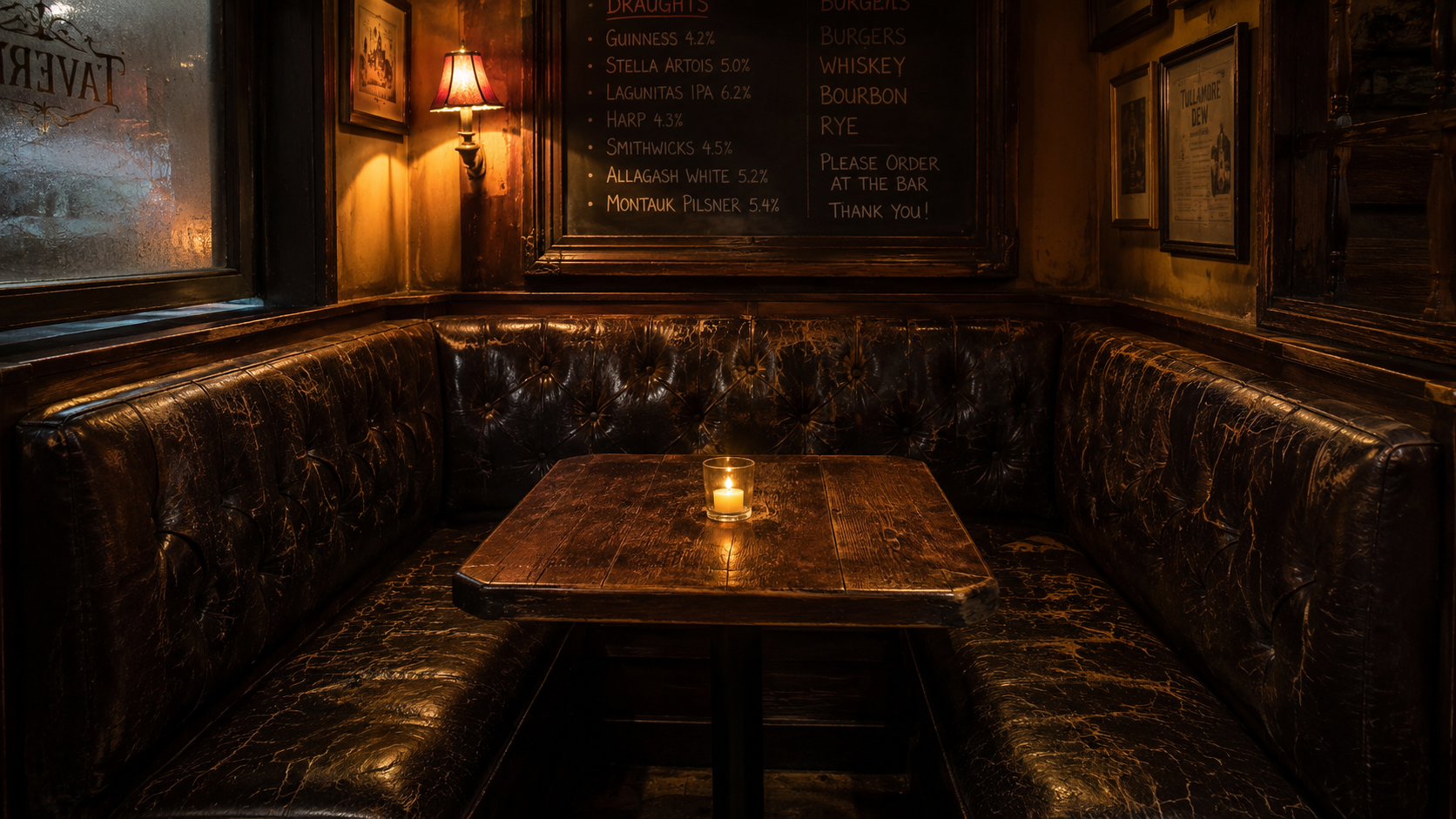
There's an intangible quality to a good pub that you feel the moment you walk in. It's a combination of warmth, noise level, smell, and something harder to define — a sense that this place exists for a reason beyond extracting money from people who need a drink. You know it when you feel it, and you should trust that feeling.
The same instinct works in reverse. If something feels off — too empty on a Friday, too aggressive in its promotions, too eager to get you in the door — trust that too. Move on. There's always another pub around the corner, and the right one is worth the walk.