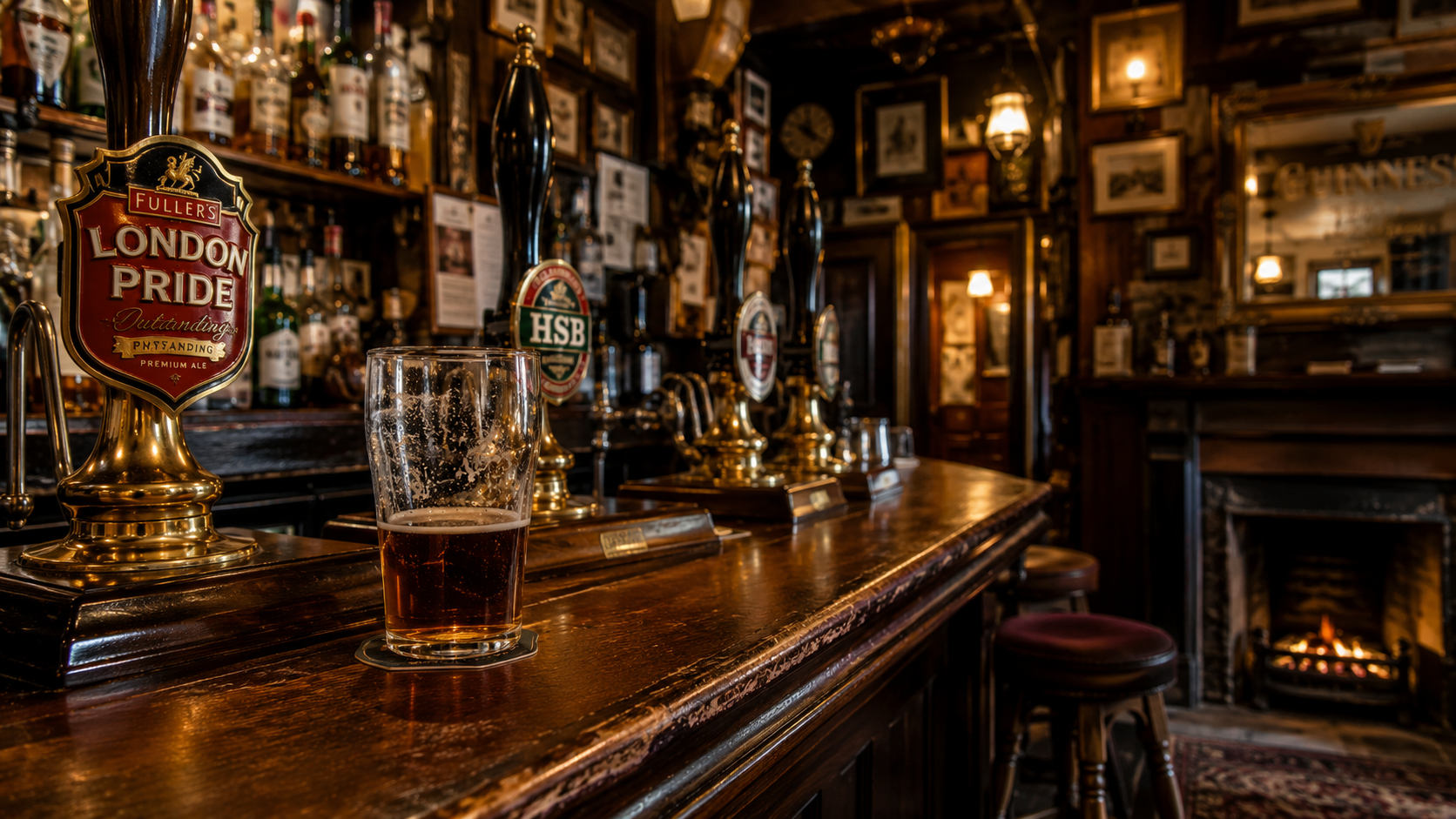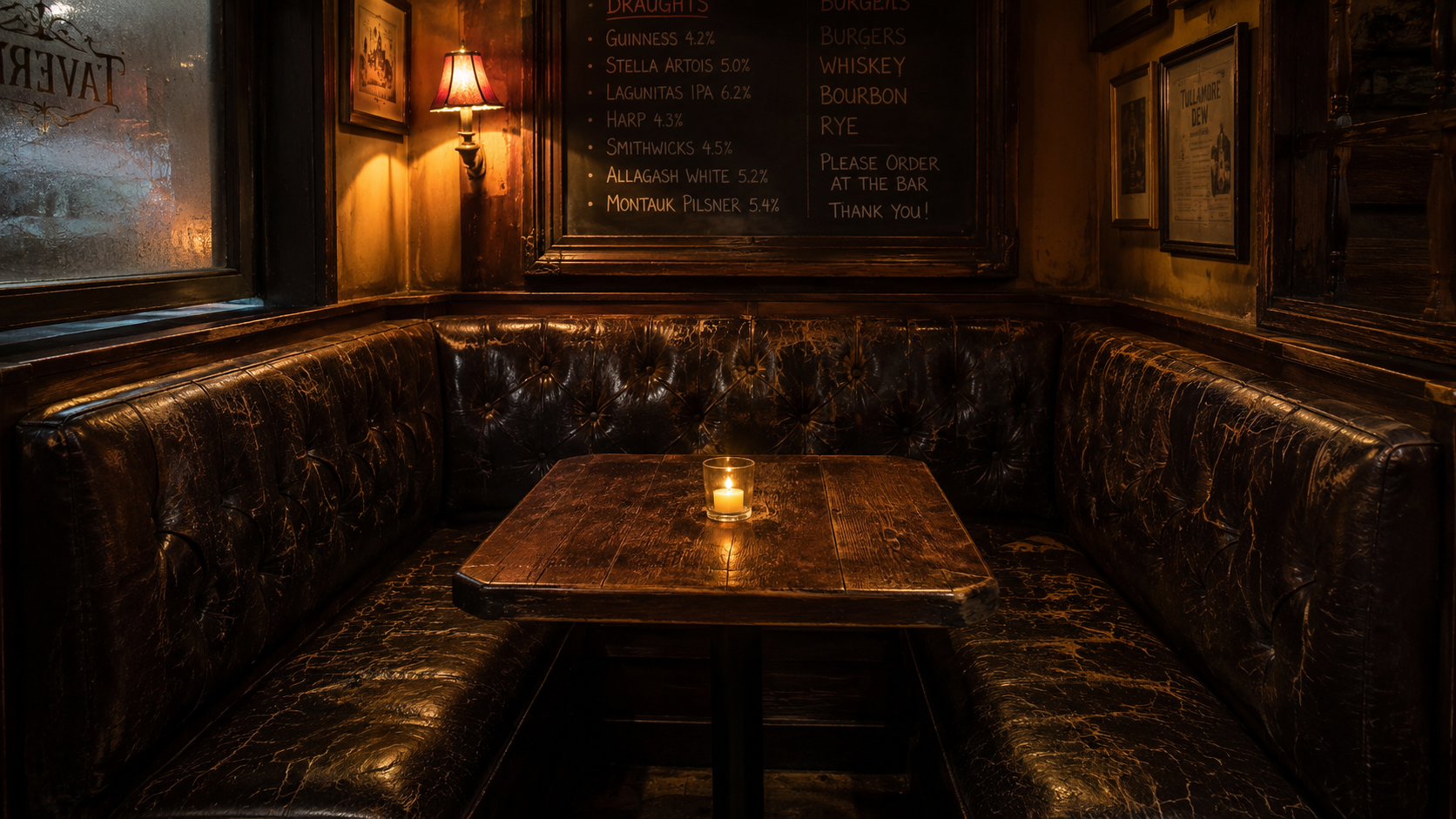
You know the place. The sign outside is half-lit. The door sticks. The floor has a texture that suggests decades of spilled beer and questionable mopping schedules. There's a jukebox that hasn't been updated since someone thought Nickelback was a good idea. And yet, somehow, this is exactly where you want to be.
The dive bar occupies a sacred space in drinking culture. It's the anti-lounge, the opposite of everything Instagram-friendly nightlife has become. No one is taking photos of their drinks here, because frankly the lighting wouldn't allow it even if they tried.
The Democracy of the Dive
What makes a dive bar genuinely important — beyond the cheap drinks and the atmosphere — is its radical egalitarianism. A dive bar doesn't care what you do for a living, what you're wearing, or how many followers you have. The only currency that matters is whether you're decent company and whether you can handle your drink.
I've sat in dives next to lawyers, labourers, musicians, and people whose occupation I never did figure out. The conversations that happen in these places are unlike anything you'll get in a cocktail bar, because nobody's performing. There's no social pressure. The pretence has been stripped away along with the wallpaper.
Character You Can't Manufacture
Every few years, some developer opens a "dive bar" with deliberately distressed furniture and artfully placed neon signs. It never works. You can't manufacture the kind of character that comes from thirty years of existence and zero renovation budgets. Authenticity isn't an aesthetic choice — it's what happens when a place just carries on being itself regardless of trends.
The best dives have stories embedded in their walls. The stool that wobbles because someone fell off it during the 1998 World Cup. The dartboard with the permanent lean. The bathroom graffiti that has evolved into something approaching folk art. These things can't be designed. They accumulate.
A City Without Dives Is a City Without Soul
Every great city I've ever visited had a thriving dive bar scene. New York has them scattered through the Lower East Side and Brooklyn. London's best are tucked under railway arches or down side streets you'd never find unless someone told you. Bangkok has them hiding behind the neon of Sukhumvit. Even Tokyo, where everything seems precisely curated, has its glorious standing bars and hole-in-the-wall izakayas.
When a city loses its dives, it loses something vital. It loses the places where people go to be themselves rather than a version of themselves. It loses affordability, which means it loses the artists, the musicians, the writers, and the eccentrics who make nightlife interesting in the first place.
Finding and Protecting the Good Ones
If you've got a great dive bar in your neighbourhood, treat it well. Go regularly. Tip properly. Don't post it all over social media with a pin drop and a recommendation to "check out this hidden gem." The moment a dive bar becomes trendy, the countdown to its death begins.
The best dives don't need promotion. They need loyal customers who understand what they've got. A place where the beer is cold, the prices are fair, the conversation flows freely, and nobody gives a damn about the decor. Every city needs at least one. Most cities, if they're lucky, have dozens. Find yours and hold on to it.