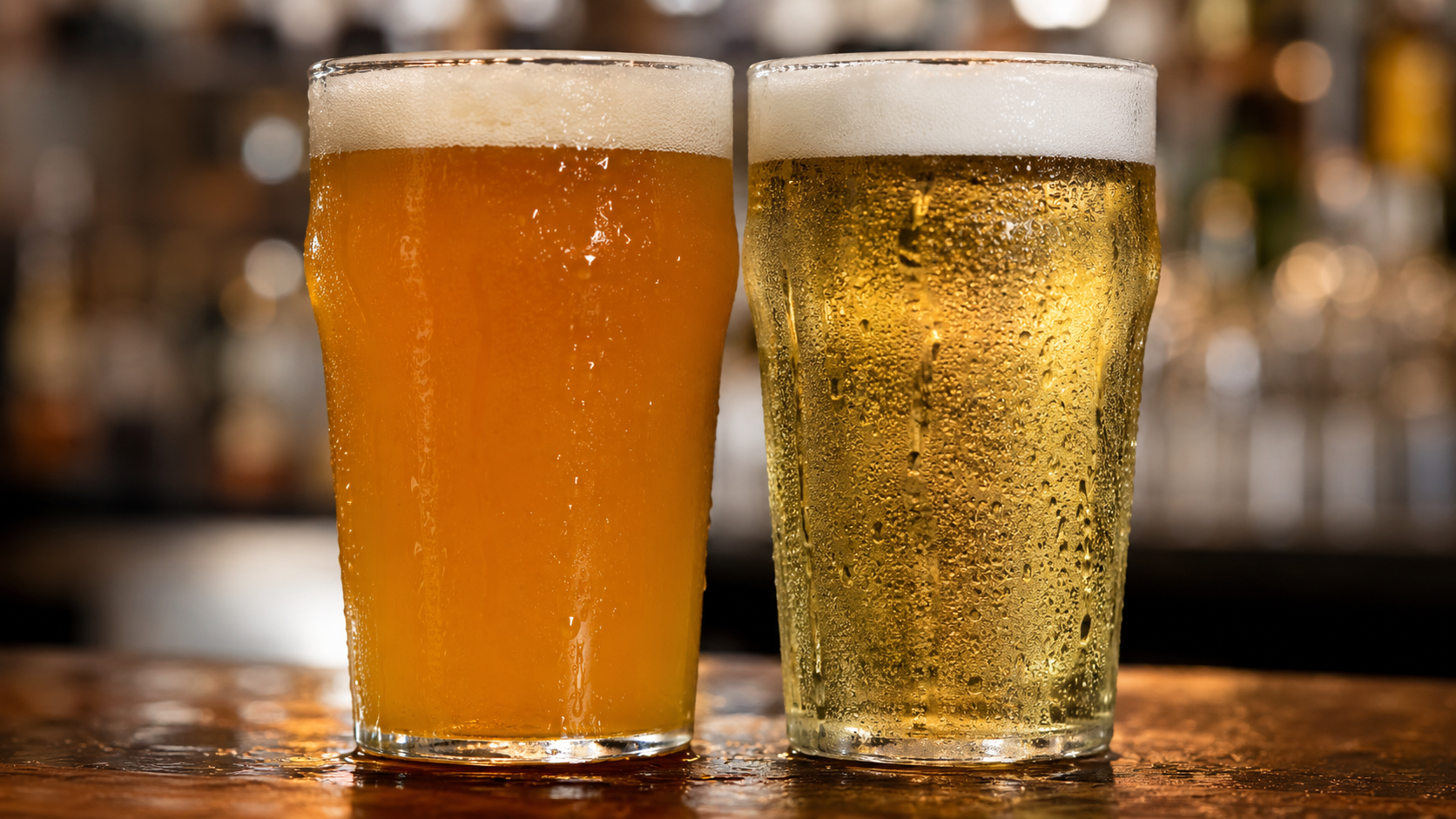
There's a particular kind of argument that happens in every bar in Southeast Asia. Someone orders a local lager — Chang, Leo, Tiger, Bintang, whatever's cold and available — and someone else raises an eyebrow and suggests they try the IPA from the new microbrewery down the road. What follows is a debate as old as the modern beer scene itself, and the tropics make it even more interesting.
I say this as someone who genuinely loves good beer: in 35-degree heat with 90 percent humidity, there is absolutely nothing wrong with a cold, cheap, uncomplicated lager. In fact, sometimes it's the only right answer.
The Case for Craft
The craft beer movement has swept through Southeast Asia with impressive speed. Bangkok, Saigon, Manila, and Singapore all have thriving craft scenes now, with local breweries producing genuinely excellent beer. Thai craft breweries in particular have embraced tropical ingredients — lemongrass IPAs, mango wheat beers, galangal saisons — that make complete sense for the climate and the palate.
The quality gap between a mass-produced lager and a well-made craft beer is real and significant. A good IPA or pale ale offers complexity, character, and flavour profiles that a corporate lager simply cannot match. If you care about what you're drinking, craft gives you more to care about.
The Case for the Cold One
But here's the thing. Beer isn't always about complexity. Sometimes it's about refreshment, affordability, and the simple pleasure of something cold and fizzy after a long, hot day. A mass-produced lager served ice-cold from a roadside cooler is one of life's genuine pleasures. It costs almost nothing, it goes down easy, and it pairs with everything from pad thai to a street-side conversation with strangers.
There's also the social dimension. Ordering craft beer in a neighbourhood bar in Vietnam marks you as an outsider in a way that ordering the local lager does not. Beer, in most of Southeast Asia, is a democratising force. Everyone drinks the same thing, everyone pays the same price, and nobody's measuring anyone's palate sophistication.
The Temperature Problem
Craft beer has a temperature problem in the tropics. Many craft styles — particularly hoppy ones — don't taste great when they're too cold, but serving beer at cellar temperature in 35-degree heat is impractical and frankly unpleasant. The beers that work best in this climate are the ones designed for refreshment: pilsners, wheat beers, light pale ales. The heavy stouts and complex sours that are brilliant in a London winter feel completely wrong in a Bangkok summer.
Smart craft breweries in the region understand this and brew accordingly. They're making beers that are flavourful enough to be interesting but light enough to drink on a hot night. The ones that simply import Western styles without adapting to the climate tend to struggle.
Finding the Middle Ground
The honest answer to the craft-versus-lager debate is that it depends entirely on the moment. Your first beer of the night, sitting at a street food stall watching the sunset? Cold lager, no question. Your third drink at a proper bar with air conditioning and a knowledgeable bartender? That's when the craft options start to make sense.
The real enemy isn't lager or craft — it's snobbery. Looking down on someone's beer choice is the mark of a person who has confused knowledge with wisdom. The wisest drinkers I know are the ones who can appreciate a world-class IPA and a cold Chang with equal enthusiasm, understanding that each has its place and its moment.
Drink what tastes good. Drink what fits the situation. And if someone gives you grief about your choice, remind them that the best beer in the world is always the one in your hand, cold, on a hot day, with good company. Everything else is marketing.