I spent three years behind a bar before I became the person writing about them. It was in a pub in south London — the kind of place where the regulars arrived at opening and the nights ended with someone crying, fighting, or both. Those years taught me more about human nature than any psychology degree ever could.
Since then, I've made a habit of talking to bartenders everywhere I go. Not the small talk that comes with ordering a drink, but real conversations about what they see, what they think, and what they wish their customers understood. Here's what they've told me.
We Know More Than You Think
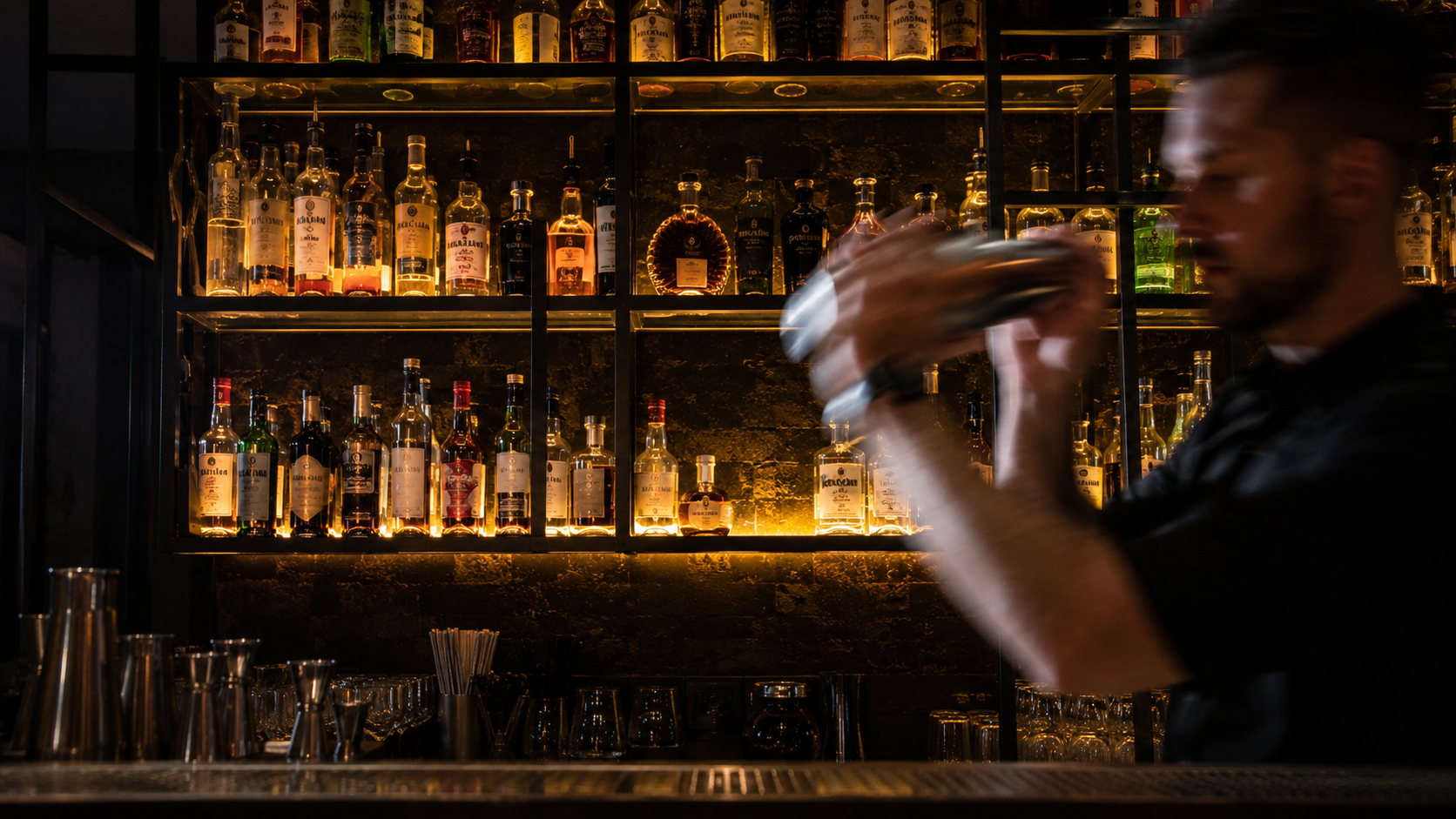
Bartenders are professional observers. Within minutes of someone sitting down, a good bartender has read their mood, estimated their sobriety, and made a preliminary judgment about whether this is going to be a pleasant interaction or a difficult one. The tells are subtle but reliable: how someone orders, whether they make eye contact, the speed at which they drink their first round.
This isn't nosiness — it's survival. Managing a bar means managing dozens of simultaneous social situations. The couple having an argument in the corner. The group getting louder. The person drinking alone who might need checking on. A bartender who doesn't read the room is a bartender who loses control of it.
The Things That Drive Us Mad
Every bartender has the same list of grievances, regardless of what city or what kind of bar they work in. Snapping fingers to get attention. Ordering complicated drinks one at a time instead of all at once. Asking "what's good?" without any indication of what you like. Standing at the service end of the bar. Asking for a "strong" drink as if we're going to pour you extra spirit for free.
But the single most universally despised behaviour is being on your phone when it's your turn to order. You've waited at the bar, you've made eye contact, the bartender has come to you — and now you hold up a finger while you finish a text. In any bar in the world, this is the fastest way to end up at the bottom of the service queue.
What We Actually Respect
The customers bartenders love are simple. They know what they want. They say please and thank you. They tip appropriately for the market they're in. They don't try to flirt their way into free drinks. And they understand that when the bar is three deep, it's not the time for a ten-minute conversation about the flavour profile of an obscure mezcal.
Regulars hold a special place. A good regular makes a bartender's shift better just by showing up. They're the anchor of the room — the person whose presence signals that this is a good place to drink. Every bartender I've spoken to has a favourite regular, and the relationship between them is one of the purest forms of hospitality there is.
The Closing Time Reality
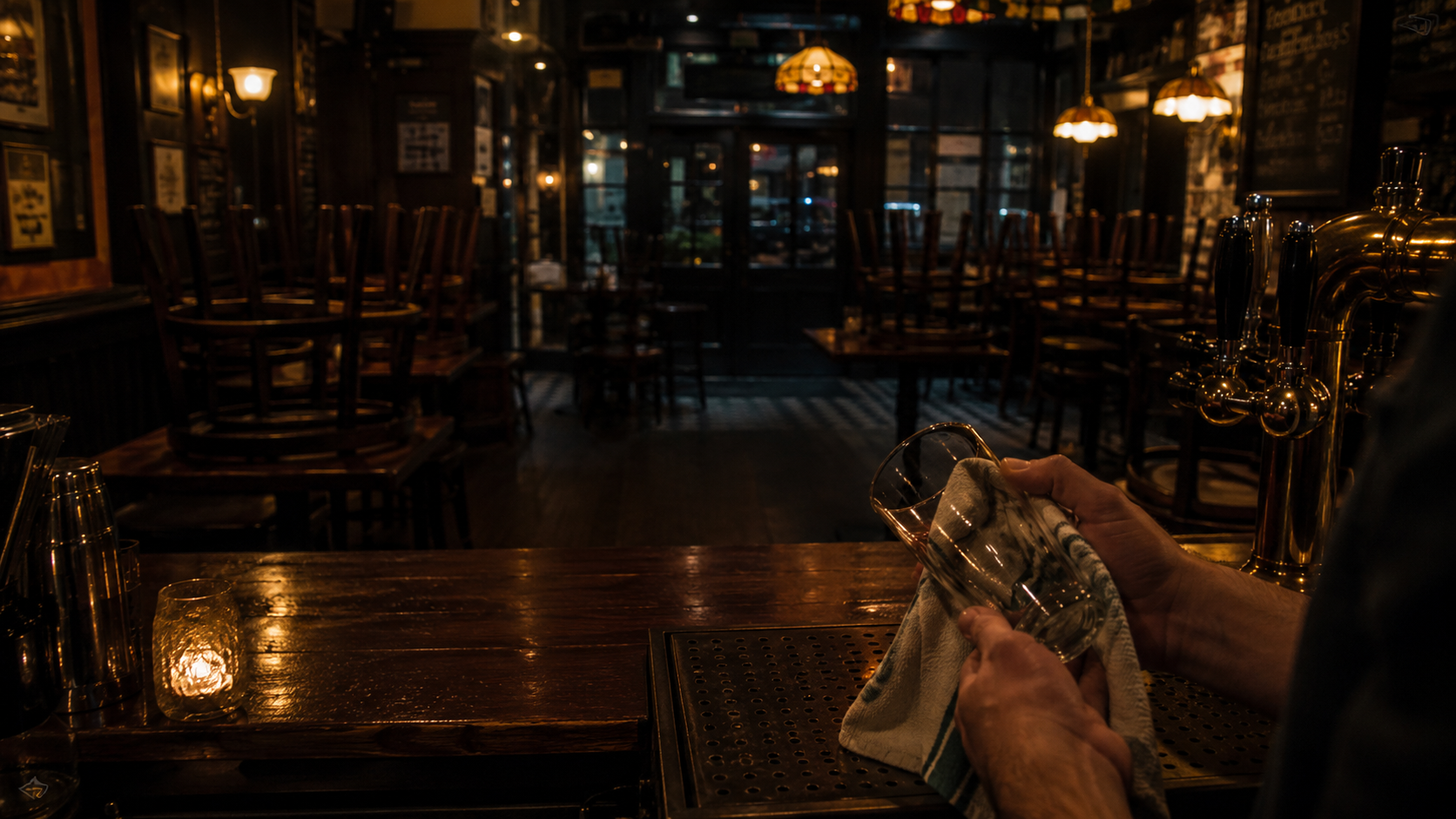
When the lights come up and the music stops, that's not a suggestion. The staff have been on their feet for eight to twelve hours. They want to clean up, cash out, and go home. The person who lingers, nursing the last inch of their pint, pretending not to notice the chairs going up on the tables — that person is every bartender's least favourite human at that moment.
Here's what happens after you leave. The floor gets mopped. The glasses get washed. The tills get counted. The bins go out. Someone discovers the truly creative things that people have left in the bathrooms. And then, finally, the staff sit down with a shift drink and decompress. Those thirty minutes at the end of the night, when the bar belongs to the people who run it, are sacred.
The Honest Truth
Most bartenders genuinely love what they do. The hours are terrible, the pay is usually mediocre, and the physical toll is real. But the good ones stay because there's nothing quite like running a great service — that feeling when the bar is humming, every drink goes out perfectly, and the energy in the room is exactly right. It's a kind of performance, and the best bartenders are artists.
So the next time you're sitting on a bar stool, spare a thought for the person on the other side. They're working harder than it looks, caring more than you realise, and keeping an eye on everything while making it seem effortless. The least you can do is order decisively, tip fairly, and leave when the lights come on.